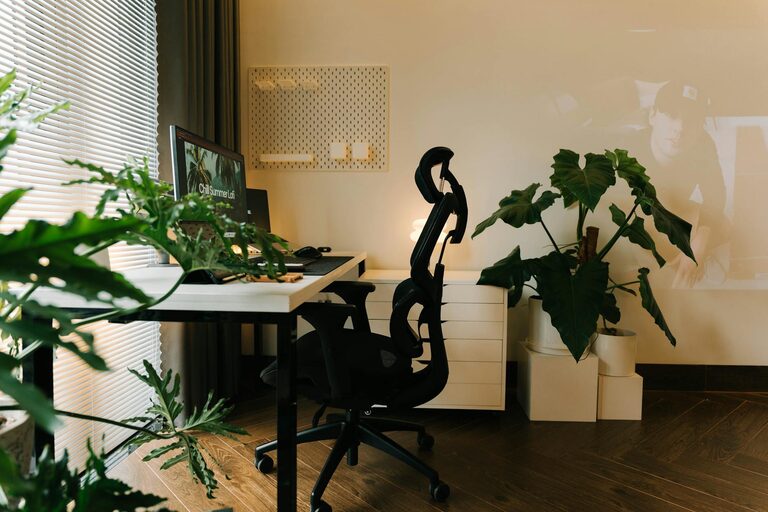
Creating a cozy and inviting home workspace is essential for a productive and enjoyable workday. Whether you work remotely full-time or occasionally need a quiet place to focus, having a thoughtfully designed area can make all the difference. In this post, we’ll explore practical tips to help you craft a workspace that feels welcoming and inspires your best work.
Why a Cozy Workspace Matters
Your workspace environment influences your mood, motivation, and efficiency. A space that feels cozy and personalized encourages comfort, reducing stress and distractions. When your work area invites you in, it’s easier to stay focused and keep a positive mindset throughout the day.
Choosing the Right Location
Pick a Quiet Corner
Start by selecting a spot with minimal noise and foot traffic. A quiet corner or a room with a door helps limit interruptions and fosters concentration.
Consider Natural Light
Placing your desk near a window can boost your mood and energy. Natural light helps reduce eye strain and creates a fresh atmosphere. If natural light is limited, choose warm, adjustable lighting to mimic daylight.
Comfortable and Functional Furniture
Invest in an Ergonomic Chair
A supportive chair is crucial for long hours of work. Look for one with adjustable height, lumbar support, and comfortable cushioning to maintain good posture.
Choose a Desk That Fits Your Needs
Your desk should offer enough space for your computer, notes, and other essentials without feeling cramped. Consider height and storage options to keep everything organized.
Personalize Your Space
Add Warm Textiles
Incorporate items like a soft rug, cozy throw blanket, or cushions to create a warm ambiance. These textures can make your workspace feel more inviting.
Include Favorite Decor
Adding artwork, photos, or plants reflects your personality and makes the space more enjoyable. Plants also improve air quality and add a touch of nature.
Enhance Lighting
Layer Your Lighting
Combine overhead lights, desk lamps, and ambient sources for a balanced setup. Adjustable lighting helps reduce glare and eye fatigue.
Use Warm Light Bulbs
Opt for bulbs with warm tones to create a relaxing atmosphere. Avoid harsh fluorescent lighting that can feel cold and clinical.
Organize Efficiently
Declutter Regularly
Keep your desk tidy by sorting through papers and supplies weekly. A clear surface helps maintain focus and reduces stress.
Use Storage Solutions
Utilize shelves, drawers, and organizers to keep items within reach but out of sight. Label containers for easy access.
Incorporate Calming Elements
Use Natural Scents
Adding a subtle diffuser with essential oils like lavender or eucalyptus can promote relaxation.
Play Soft Background Music
Gentle instrumental music or nature sounds can improve concentration without distracting.
Create Boundaries Between Work and Relaxation
Define Your Workspace
Use rugs or room dividers to visually separate your office space from living areas. This helps mentally switch into work mode.
Keep Work Items in One Area
Avoid spreading work materials around the house. Limit your supplies to your designated workspace to maintain routine.
Take Care of Your Wellbeing
Schedule Breaks
Regular breaks are vital for physical and mental health. Use reminders to stand, stretch, or walk.
Add Movement Opportunities
Include space for simple stretches or even a small yoga mat to stay active during the day.
Final Thoughts
Designing a cozy and inviting home workspace doesn’t require a major makeover. With thoughtful choices in location, furniture, lighting, and personal touches, your workspace can become a place you look forward to spending time in. Focus on comfort, organization, and your own preferences to create a space that supports both productivity and well-being.
About the Author